Protect your soil for future generations
Cover crops help you care for the land while protecting the investment you’ve already made. They catch nitrogen before it washes out through tile lines, build better soil structure over time, and give you a buffer against erosion.
Many Indiana farmers find they can reduce their fertilizer inputs after a few seasons, and there are cost-share programs available to help with the initial expense. It’s about keeping your operation productive for future generations.
Your Tools for Healthy Soil
Minimize Disturbance
Cover crops help keep valuable topsoil where it belongs—on your fields, not in the ditch. By reducing erosion through the winter and early spring, growers protect the long-term productivity of their fields and avoid the hidden costs of replacing lost nutrients. Less soil washing away also means fewer repairs to field edges, waterways, and access paths.
Maximize Soil Cover
A season of cover crop roots improves the soil’s ability to absorb and hold water, especially during Indiana’s heavy spring rains. Better infiltration reduces ponding and compaction, cutting down on fuel and labor spent reworking wet areas. Improved structure also supports higher yields over time by creating a more stable seedbed.
Maximize Biodiversity
Cover crops capture leftover nitrogen and other nutrients before they leach away, keeping more fertilizer value in the field. That captured nutrient bank becomes available for the next crop, reducing input costs in the spring. It’s a simple way to stretch every pound of fertilizer a little further.
Maximize Living Roots
The right cover crop mix disrupts pest and disease cycles that thrive in continuous corn–soy rotations common across Indiana. Fewer pest pressures can reduce reliance on chemical treatments and associated costs. Over time, healthier fields mean more consistent yields and less variability across growing seasons.
Start the Conversation
Did you know over 50% of midwest farmland is rented each year? If you are one of the many farmers that rents ground, creating a sustainable relationship with your landowner allows you to put your sustainable practice ideas into action. To create this relationship, start with a conversation. The power lies within you and other farmers’ hands to make sure our land is protected for this year’s crops and the next generation of farmers.
Does your landowner understand the costs and benefits of implementing soil health and nutrient management best practices? As a farmer, you’re an expert on best practices that increase the value of the land — both for yield and for generations to come. It’s up to you to share how these practices can help your yield and their land. Having these conversations with your landowner doesn’t have to be difficult and can reap the benefits for you both.

See How These Indiana Farmers Do It
These Roots Run Deep
No-till, Cover Crops and Planting
Indiana Cover Crops: Which is Right for You?
Choosing the right cover crop depends on your rotation, planting window, and soil goals. Whether you need quick biomass from radish and oats, reliable winter protection with cereal rye, or nitrogen fixation from clover, matching the cover to your operation sets you up for success. Learn more here.
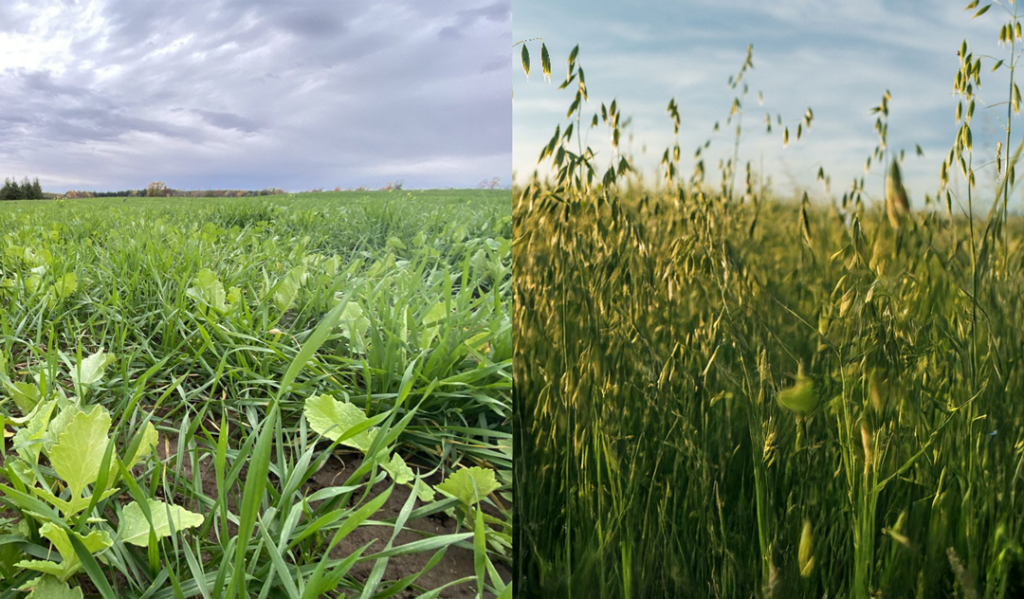
Radish/Oats
One is a sodbuster creating macropores, the other is a fine-rooted grass that creates soil cover. Together, they both die in the winter and do not tie up any nitrogen ahead of corn.
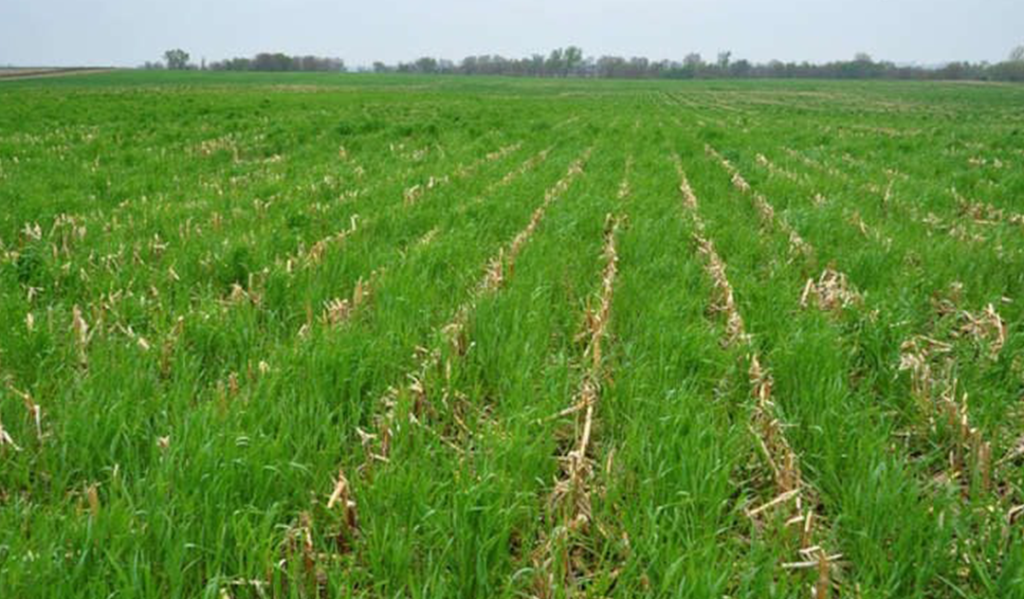
Cereal Rye
A grass well-known for its ability to overwinter and still terminate easily in the spring. Ideal cover crop before soybean planting.
Above & Beyond
Indiana is well-known for its diversity of cover crop plantings, from rapeseed to buckwheat. Depending on farm management practices, any number of scenarios exist for successful cover crop adoption.
IANA PARTNER SPOTLIGHT:
We help Indiana’s farmers, ranchers and forest landowners conserve the nation’s soil, water, air and other natural resources. All programs are voluntary and offer science-based solutions that benefit both the landowner and the environment.
Ready to Protect Your Soil?
Get your custom cover crop plan and turn healthier soil into greater profit.